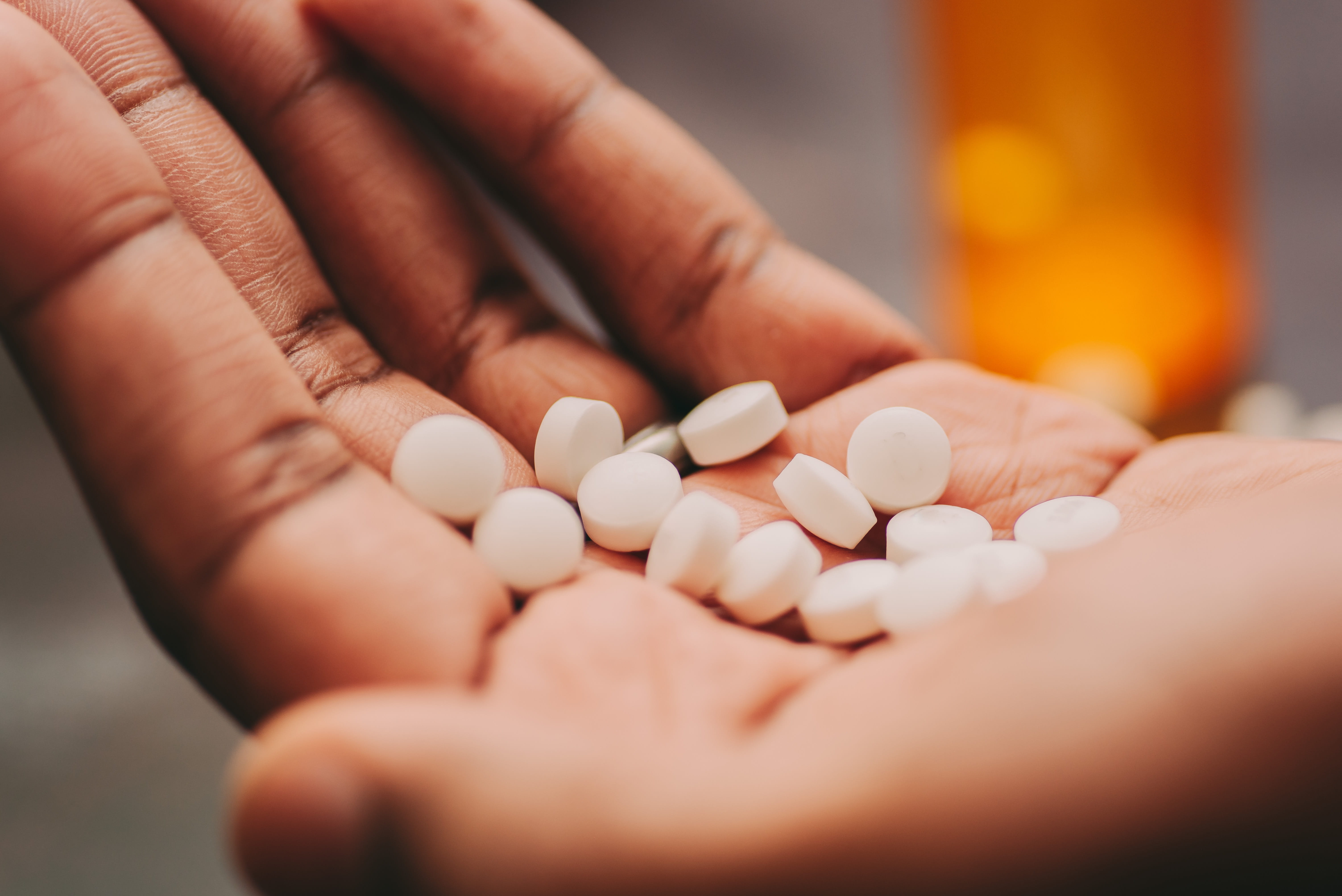
A Complete Guide to Buying Pharmaceuticals in France
France boasts one of the world's most comprehensive health care systems, mixing a robust pharmaceutical industry with accessible distribution networks that serve both residents and visitors alike. Whether one is a long-lasting expatriate, a momentary visitor, or merely looking into the French pharmaceutical landscape, comprehending how to browse this system can prove vital. The French approach to pharmaceuticals combines historical knowledge with contemporary regulative frameworks, developing an environment where safety, accessibility, and quality converge.
Comprehending the French Pharmaceutical System
The French pharmaceutical market stands as a foundation of the country's health care infrastructure, running under strict regulative oversight while maintaining widespread ease of access. L'Agence Nationale de Sécurité du Médicament et des Produits de Santé (ANSM) acts as the main regulatory body, ensuring that all pharmaceutical products fulfill extensive security and efficacy requirements before reaching consumers. This regulative structure positions France as a relied on source for pharmaceutical items within the European Union and beyond.
French drug stores, understood in your area as "drug stores" or "officines," serve as the primary distribution points for pharmaceutical products. Unlike many other nations where medications may be available through different retail channels, France keeps a pharmacy-centric distribution design that emphasizes professional oversight. Each drug store operates under the guidance of a certified pharmacist who bears duty for giving medications, offering counsel, and making sure proper usage. This structure suggests that when people buy pharmaceuticals in France, they access to expert guidance with every purchase.
The distinction in between different medication classifications plays a significant role in the French system. Non-prescription medications, described as "médicaments sans ordonnance," are readily available straight from pharmacists without a prescription. These normally include treatments for minor disorders such as colds, allergic reactions, digestive problems, and pain management. Prescription medications, or "médicaments sur ordonnance," require documentation from a certified healthcare expert and include more in-depth pharmacist assessment concerning use, possible interactions, and monitoring requirements.
Where to Purchase Pharmaceuticals in France
The landscape of pharmaceutical retail in France extends beyond the conventional corner pharmacy, though the area drug store remains the structure of circulation. Significant cities boast various drug stores, often clustering near health centers, medical centers, and transit hubs to optimize accessibility. Paris alone consists of numerous drug stores, with numerous operating on prolonged hours to serve the capital's diverse population and tourist influx.
Physical pharmacy locations use instant access to pharmacists, the capability to take a look at products before purchase, and instant fulfillment of prescriptions. Many French drug stores preserve detailed inventories covering both branded and generic medications, though availability can sometimes differ in between establishments. Pharmacies in larger urban centers generally stock more comprehensive series of items, consisting of specialty items and imported pharmaceuticals that might be less typical in smaller establishments.
Online pharmaceutical purchasing has actually become a genuine complement to traditional pharmacy retail within the French system. Licensed online pharmacies run under the same regulative framework as their physical counterparts, requiring prescription verification for proper medications and preserving the exact same professional standards. This channel proves especially important for individuals with movement constraints, those residing in remote areas, or anyone seeking convenience without sacrificing security. When utilizing online platforms to buy pharmaceuticals in France, customers must confirm that the seller shows the official French pharmaceutical order logo design, verifying genuine operation.
Hospital pharmacies serve a specialized function, primarily giving medications to inpatients and offering specialty pharmaceuticals that may not be readily available through retail channels. Outpatients leaving French health centers may receive initial medication materials through healthcare facility pharmacies, with subsequent refills normally transitioning to neighborhood pharmacy services.
Regulatory Requirements and Documentation
Getting pharmaceuticals in France involves differing requirements depending upon medication category and buyer status. For over-the-counter medications, paperwork requirements are minimal, though pharmacists may inquire about existing medical conditions or concurrent medications to make sure appropriate suggestions. This professional questions shows the French pharmacy design's emphasis on customer security over pure business deal.
Prescription medications require valid documentation from authorized health care providers. French prescriptions must include particular elements: patient recognition, medication information, dose guidelines, prescriber info, and prescription credibility dates. Prescriptions from other EU nations generally get recognition within the French system, assisting in cross-border healthcare continuity. Prescriptions from non-EU nations may require validation by French health care professionals before dispensing, a process that guarantees alignment with French treatment procedures and regulatory standards.
For tourists and momentary visitors, bring personal medications needs appropriate preparation. medicfrance.com consisting of original prescription containers, composed prescriptions from prescribing doctors, and potentially letters describing medical requirement can facilitate smooth transit through custom-mades and subsequent drug store sees. Specific regulated compounds face extra limitations, and tourists should acquaint themselves with both French regulations and their own country's requirements for transporting medications across global borders.
Expense Considerations and Reimbursement Structures
France's healthcare system offers substantial pharmaceutical cost protection through a mix of nationwide health insurance coverage and complementary mechanisms. The reimbursement structure designates medications to different coverage tiers, with vital medications receiving greater compensation rates than non-essential or comfort-oriented items. This tiered technique makes sure that life-sustaining and clinically essential treatments remain accessible while preserving system sustainability.
For French locals and people, the nationwide medical insurance plan normally covers in between 15% and 100% of medication expenses depending on category. Persistent illness patients and individuals with specific conditions frequently receive enhanced coverage, sometimes reaching complete compensation. Complementary health insurance, called "mutuelle," often covers the remaining portion along with any copayment requirements, lessening out-of-pocket expenditures for insured individuals.
Visitors from EU countries gain from reciprocal health care contracts that provide access to France's health care system. The European Health Insurance Card (EHIC) or its post-Brexit equivalent enables visitors to receive healthcare services, including pharmaceutical provisions, under conditions similar to French citizens. Non-EU visitors usually should bear full medication expenses unless their travel insurance coverage offers pharmaceutical coverage, making understanding possible expenditures crucial for financial preparation.
| Medication Classification | Compensation Rate | Examples |
|---|---|---|
| Serious disease medications | 100% | Cancer treatments, insulin, post-transplant immunosuppressants |
| Significant long-term condition medications | 65% | Hypertension drugs, heart medications, diabetes treatments |
| Standard prescription medications | 30% | Common antibiotics, standard pain management |
| Over the counter medications | 0-15% | Cold treatments, fundamental pain relievers, vitamin supplements |
Practical Tips for Purchasing Pharmaceuticals
Effective navigation of the French pharmaceutical landscape gain from several useful considerations. Establishing a relationship with a local pharmacy provides connection of care, as pharmacists can maintain medication histories, determine prospective interactions, and supply tailored suggestions. Lots of pharmacies maintain customer files, enabling quicker service for repeat prescriptions and better coordination with prescribed treatments.
When checking out a pharmacy, showing up ready streamlines the experience. Having prescriptions plainly formatted, understanding medication names (both brand and generic when possible), and comprehending one's medical history enables efficient pharmacist assessment. Language barriers can be addressed through numerous pharmacists' facility with English, especially in traveler locations and major cities, though standard French pharmaceutical vocabulary can enhance communication.
Generic medications provide cost benefits without sacrificing quality or efficacy. French pharmacists often replace generic equivalents for top quality prescriptions unless physicians define brand-only dispensing, a practice that decreases costs while preserving therapeutic effectiveness. People with particular brand requirements ought to interact these choices clearly to prevent unforeseen alternatives.
Regularly Asked Questions
Can tourists purchase prescription medications in French pharmacies?
Travelers can buy prescription medications in French drug stores supplied they have valid prescriptions from certified doctor. Prescriptions from EU nations get instant recognition, while prescriptions from outside the EU may need French physician recognition before dispensing. Tourists must carry medications in initial packaging and bring documentation supporting medical necessity.
Are French drug stores open on Sundays and vacations?
A lot of French drug stores operate on standard business hours Monday through Saturday, with minimized Sunday operations. Each place preserves designate responsibility drug stores ("drug stores de garde") that supply Sunday and vacation services for urgent medication requirements. Duty pharmacy details is normally posted at closed pharmacies, available through local papers, and available via telephone directory sites and sites.
How does one discover an English-speaking pharmacist in France?
English-speaking pharmacists are more common in major cities, tourist locations, and regions with considerable worldwide populations. Paris, Lyon, Marseille, and Nice typically have several pharmacies with English-fluent staff. When looking for English assistance, bigger pharmacies and those near hospitals or international medical centers offer the highest possibility of English interaction.
Can medications be purchased online from French drug stores?
Genuine online drug stores run within France, offering benefit while preserving regulatory compliance. These sellers need prescription verification for proper medications and provide throughout France and frequently within the EU. Consumers should validate genuine operation by verifying the presence of main regulatory logos and examining registration with French pharmaceutical authorities.
What happens if a prescribed medication is unavailable?
French pharmacists keep extensive networks and can frequently locate unavailable medications through provider connections. If particular medications show really not available, pharmacists consult recommending physicians concerning appropriate alternatives providing similar restorative advantages. This collective approach makes sure patients receive proper treatment even when particular items face supply interruptions.
The French pharmaceutical system represents a thoroughly well balanced technique to healthcare ease of access, integrating regulatory rigor with professional drug store services to serve diverse populations. Whether one is establishing residency, going to momentarily, or just checking out pharmaceutical alternatives within France, comprehending the system's structure and mechanisms allows informed decision-making. The pharmacy-centric model makes sure professional guidance accompanies every medication purchase, while the reimbursement structure keeps cost for locals and certain categories of visitors. Just like any health care system, preparation and understanding help with optimum experiences, making orientation with French pharmaceutical practices a beneficial financial investment for anybody browsing this landscape.